Mental Health Myths in Nepal – Breaking Taboos with Science

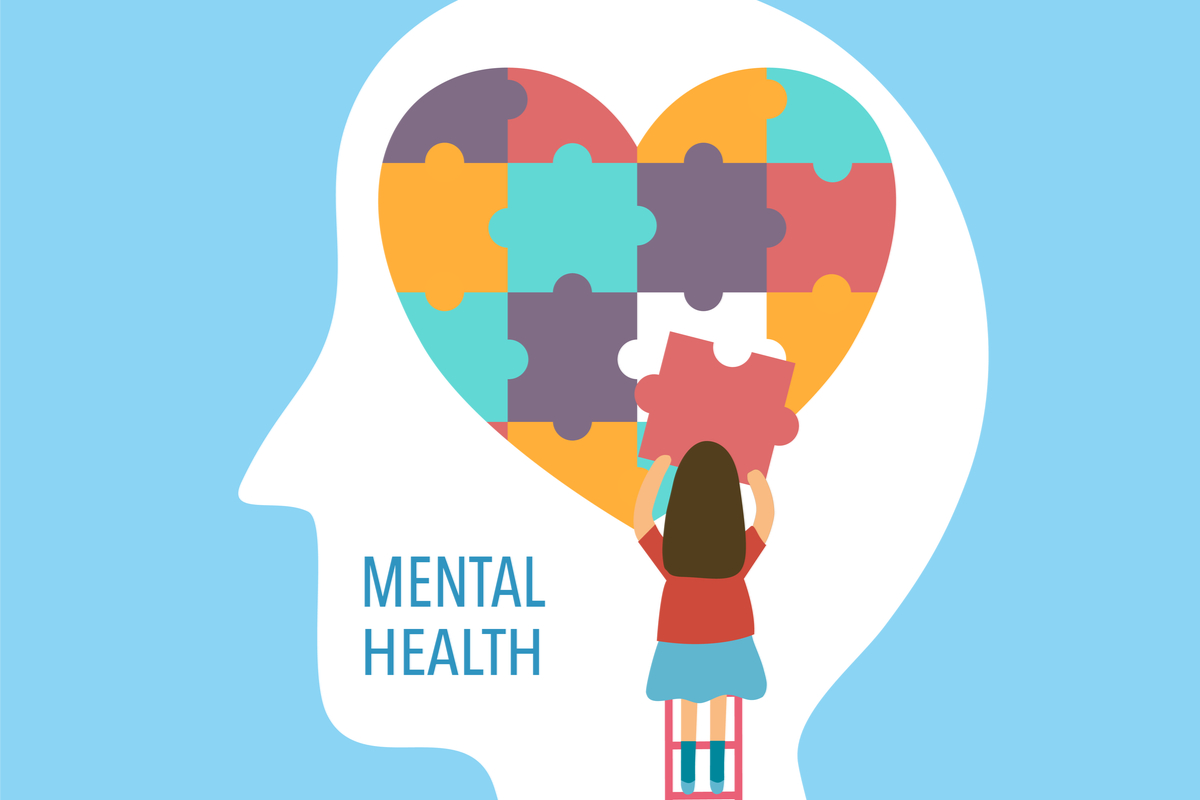
Have you ever heard someone say, “Mental illness is just in your head” or “People with depression are weak”? In Nepal, these kinds of beliefs are very common. Many people don’t talk about mental health because they think it’s shameful or unusual. But here’s the truth: mental health is just as important as physical health and most myths about it are completely wrong. Everyone can face mental health challenges at some point in life and understanding the facts is the first step toward a healthier society.
Myth 1: Mental illness is a sign of weakness
Many people think that if someone struggles with anxiety, depression or other mental issues, it means they are weak. That’s far from the truth. Mental health conditions can affect anyone – rich or poor, young or old. Just like a broken leg doesn’t mean someone is weak, struggling with your mind doesn’t mean weakness. In fact, recognizing your mental health struggles and seeking help shows courage and strength.
Myth 2: Only adults face mental health problems
In Nepal, it’s often believed that kids and teenagers are “too young” to have mental health issues. But children can face stress, anxiety or depression too. School pressure, family problems or bullying can affect anyone, no matter their age. Parents, teachers and friends need to be aware of the signs and provide support early, as early intervention can prevent problems from becoming serious.
Myth 3: Talking about mental health is shameful
Some families discourage talking about feelings or emotions. They think it’s embarrassing to admit you need help. But keeping emotions bottled up can make things worse. Talking openly to friends, family or counselors is one of the best ways to stay healthy. Sharing your feelings can lighten the burden, help you feel understood and even prevent stress from turning into depression or anxiety.
Myth 4: Medication is not needed for mental illness
Some people believe that mental health problems can be solved only by “thinking positively” or “ignoring it.” While positive thinking is helpful, many conditions require treatment, therapy or medication prescribed by doctors. There’s no shame in seeking professional help – it’s a smart step toward recovery. Mental health is just like physical health: sometimes you need a doctor, medicine or therapy to get better.
Myth 5: Depression is just sadness
Feeling sad sometimes is normal, but depression is more than just sadness. It’s a real medical condition that can affect sleep, appetite, focus and energy. People struggling with depression may feel tired all the time, lose interest in things they love or feel hopeless. Understanding the difference between normal sadness and depression is the first step to helping those who need support.
Breaking these myths is possible!
In Nepal, changing how people think about mental health will take time, but small steps matter:
- Start talking openly about feelings with family or friends.
- Encourage schools and workplaces to include mental health programs.
- Seek professional help when needed.
Mental health is real, important and nothing to be ashamed of. In Nepal, many myths and taboos make people suffer silently, but understanding the facts can change everything. Remember, struggling with your mind does not mean weakness and seeking help is a sign of strength, not shame.
By talking openly, supporting each other and spreading awareness, we can break these myths one step at a time. Whether it’s a friend, family member or even yourself, acknowledging mental health is the first step toward a happier, healthier life. Small conversations today can lead to big changes in the future. Let’s make mental health a normal topic, just like we talk about physical health. Everyone deserves care, support and understanding.













Holistic Preventive Healthcare for a Healthy Lifestyle

Mastering Work-Life Balance: Protect Your Health and Recharge Your Mind

Sugar in Our Daily Diet: How Much Is Too Much
-1758278198.jpg)
The Role of Gut Health in Boosting Immunity

-1754043297.webp)