Beginner Yoga Guides: The Ultimate Guide for First-Time Beginners

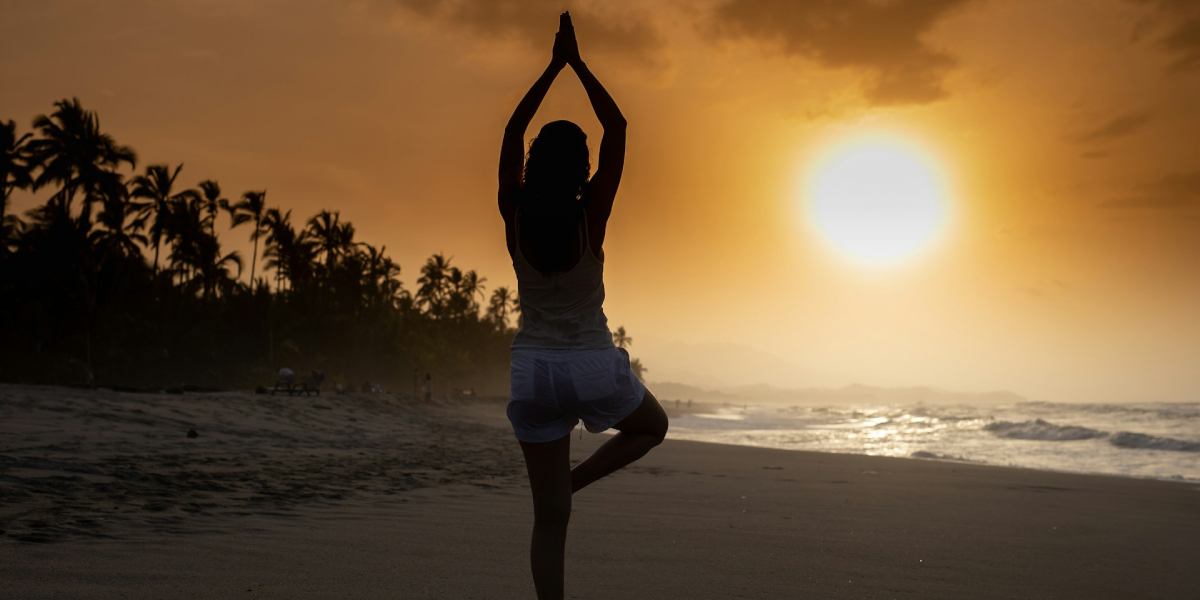
Yoga has become one of the most popular ways to improve physical health, mental clarity and overall well-being. But if you are new to yoga, starting can feel intimidating. There are so many poses, styles and routines that it’s easy to feel lost. That’s why this beginner yoga guide is designed to help first-time practitioners take their first steps confidently. Whether your goal is flexibility, stress relief or building strength, this guide will give you a solid foundation.
Why Beginners Should Start Yoga
Yoga isn’t just exercise; it’s a holistic practice that connects the mind, body and breath. For first-time practitioners, starting simple is the key to avoiding frustration and injury. Here are some benefits you can expect from consistent practice:
- Improved flexibility – Stretching and holding poses gradually loosen tight muscles.
- Increased strength – Many yoga poses engage your core, legs and arms.
- Better posture – Yoga strengthens postural muscles, helping you stand and sit correctly.
- Stress relief – Breathing exercises and meditation reduce tension and calm the mind.
- Enhanced focus and energy – Mindful movement boosts clarity and vitality.
Starting with beginner-friendly routines allows your body to adapt while giving your mind a sense of accomplishment.
Essential Tips for First-Time Yogis
Before diving into poses, keep these tips in mind:
- Start small – Begin with 10–15 minutes per day. You can gradually increase as your strength and flexibility improve.
- Focus on alignment – Proper form reduces the risk of injury and ensures you get the full benefit of each pose.
- Use props if needed – Blocks, straps or cushions can help you modify poses.
- Listen to your body – Avoid pushing yourself too hard. Yoga is about gentle progression, not competition.
- Consistency is key – Daily practice, even if short, is better than occasional long sessions.
How to Create a Beginner Yoga Routine
When you’re just starting, a simple sequence is better than attempting a long, advanced routine. Here’s how to structure your practice:
- Warm-up (2–3 minutes) – Gentle stretches to prepare your body. Neck rolls, shoulder shrugs and wrist rotations work well.
- Standing poses (3–4 minutes) – Build strength and balance with poses like Mountain Pose and Warrior I.
- Seated and floor poses (4–5 minutes) – Focus on flexibility with forward bends, twists and hip openers.
- Relaxation and meditation (2–3 minutes) – End with a calming pose like Easy Pose or Corpse Pose to integrate the benefits.
Beginner Yoga Poses You Can Try
Here’s a selection of beginner-friendly yoga poses. Practice them slowly, focus on your breathing and enjoy the process.
1. Mountain Pose (Tadasana)
How to do it:
- Stand tall with your feet hip-width apart.
- Ground through your feet, engage your core, and relax your shoulders.
- Inhale, raise your arms overhead, and stretch upward.
- Exhale, release your arms and relax.
Benefits: Improves posture, balance and body awareness.
2. Downward-Facing Dog (Adho Mukha Svanasana)
How to do it:
- Start on hands and knees.
- Lift your hips toward the ceiling, straightening your legs.
- Press your heels toward the floor and lengthen your spine.
- Hold for 3–5 breaths.
Benefits: Strengthens arms and legs, stretches the back and relieves tension.
3. Warrior I (Virabhadrasana I)
How to do it:
- Step your right foot forward and bend the knee.
- Keep your left leg straight behind you.
- Raise arms overhead and gaze forward.
- Repeat on the other side.
Benefits: Builds strength, improves focus and stretches the chest and legs.
4. Seated Forward Bend (Paschimottanasana)
How to do it:
- Sit on the floor with legs extended.
- Inhale, lengthen your spine and exhale as you fold forward.
- Hold your feet or shins, keeping your back as straight as possible.
Benefits: Stretches the hamstrings, improves flexibility and calms the mind.
5. Child’s Pose (Balasana)
How to do it:
- Kneel on the floor, bring your big toes together and sit on your heels.
- Stretch your arms forward and rest your forehead on the mat.
Benefits: Releases tension in the back and shoulders, promotes relaxation.
6. Cat-Cow Stretch (Marjaryasana-Bitilasana)
How to do it:
- Begin on hands and knees.
- Inhale, arch your back and lift your head and tailbone (Cow).
- Exhale, round your back and tuck your chin (Cat).
- Repeat 5–10 cycles.
Benefits: Improves spinal flexibility and relieves back stiffness.
7. Easy Pose (Sukhasana) & Meditation
How to do it:
- Sit cross-legged with hands on your knees.
- Close your eyes and focus on your breath.
- Stay for a few minutes to calm your mind.
Benefits: Reduces stress, improves mindfulness and enhances concentration.
Common Mistakes to Avoid
Even beginners can benefit more by avoiding these common errors:
- Skipping warm-ups – This can lead to injuries.
- Holding your breath – Breath is essential in yoga; never hold it.
- Overstretching – Don’t push your body beyond comfort.
- Rushing through poses – Slow, mindful movement is more effective than speed.
- Ignoring alignment – Small misalignments can cause strain over time.
How Often Should Beginners Practice Yoga?
For first-time practitioners, short and consistent sessions are better than occasional long ones. Aim for:
- 10–15 minutes per day to start
- Gradually increase to 30 minutes as your body adapts
- Listen to your body, rest when needed, and don’t force advanced poses too soon
Even a few minutes in the morning or evening can make a big difference over time.
Tracking Your Progress
Keeping a simple yoga journal helps you see improvements and stay motivated:
- Note which poses feel easy or challenging
- Track how long you can hold each pose
- Record your flexibility, strength and energy levels
- Celebrate small milestones—it encourages consistency
Recommended Resources for Beginners
If you want more detailed guidance, check out our detailed beginner yoga guide. It includes step-by-step instructions, tips and modifications for all the poses mentioned above.
Other useful resources:
- Yoga apps for beginners
- Online video tutorials
- Local yoga classes for personal guidance
Start Your Practice Today
Starting yoga can feel intimidating, but with the right guidance, it’s completely manageable. This beginner yoga guide has provided the tools, poses and tips you need to start a safe and effective practice. Remember:
- Start small and stay consistent
- Focus on breathing and alignment
- Avoid pushing too hard
- Enjoy the journey
Yoga is a lifelong practice. Even a few minutes a day can bring flexibility, strength, clarity and inner peace. Start your journey today and experience the positive transformation in your body and mind.















10–15 Minute Yoga for Busy Professionals: Desk Yoga to Reduce Stress and Improve Focus

Optimizing Health Through Yoga and Mindful Eating


The Art of Balance
The Rise of Online Yoga: Benefits and Challenges
Morning vs Evening Yoga: Which Time is Best for You?
Mat & Mind: Yoga into Everyday Life