Eating for Energy, Not Weight Loss


Have you ever eaten a snack or meal and felt totally wiped out afterward, even though you weren’t “hungry”? Or maybe you’ve tried skipping a meal to lose weight, only to feel cranky and tired later. The truth is, how we eat affects more than just our weight. It affects our energy, mood and even our ability to focus. That’s why shifting your focus from the scale to your daily energy can completely change the way you feel and it’s a lot more fun too.
Why Energy Matters More Than Numbers
Most diets teach us to think about food as something to restrict or control but our bodies don’t operate like simple math problems. Food is fuel. When we eat the right kinds of food at the right times, we give our bodies the energy they need to move, think and feel good. Instead of worrying about losing a few pounds, eating for energy is about feeling strong and alert throughout the day.
When you focus on energy instead of weight, your relationship with food changes. Eating becomes less about guilt or restriction and more about nourishing your body so it works well. You’ll start noticing how different foods make you feel some might give you a quick boost, while others keep you going for hours without a crash.
How Food Fuels Your Body
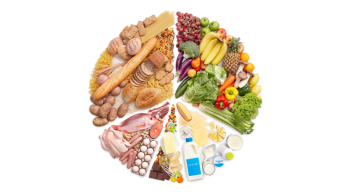
Everything we eat can be grouped into three main nutrients: carbohydrates, protein and fat. Each plays a different role in keeping us energized. Carbs are your body’s quick energy source. They’re like the gas in a car, giving you a fast boost when you need it. Proteins are the building blocks for your muscles, organs and even your brain. Fats are slower to digest but they provide long-lasting energy and help your body absorb vitamins. Ignoring any of these nutrients can leave you feeling tired, weak or moody.
It’s also important to eat nutrient-rich foods. Vegetables, fruits, whole grains, lean proteins, nuts and seeds don’t just give you energy, they give your body vitamins, minerals and fiber that help everything work smoothly. Even small changes, like swapping sugary snacks for nuts or fruits, can have a big impact on your energy levels.
Listen to Your Body
One of the best ways to eat for energy is to actually pay attention to your body. Notice when you’re hungry and when you’re full. Notice which foods make you feel awake and alert, and which leave you sluggish. For example, a breakfast with eggs, oatmeal and fruit can keep you energized for hours, while a donut might give a short sugar spike followed by a crash.
Skipping meals or relying too much on caffeine or sugary snacks can make energy levels uneven. Your body works best when it receives regular fuel. Eating at consistent times throughout the day helps keep energy steady, so you don’t get sudden crashes that leave you tired or irritable.
Hydration Is Key
Sometimes fatigue isn’t about food at all, it’s about water. Dehydration can make you feel drained, dizzy or foggy. Drinking water throughout the day is a simple way to stay alert and focused. Even mild dehydration can make a huge difference in how your body feels. Keep a water bottle handy and sip regularly, especially if you’re active or live in a warm climate.
How Mood Is Connected to Food
The food we eat doesn’t just affect our bodies; it affects our brains, too. Stable energy from balanced meals can help reduce mood swings, anxiety and brain fog. Over time, eating for energy rather than weight helps foster a healthier relationship with food. You’re less likely to feel guilty after meals and more likely to feel satisfied and confident in your choices.
Simple Ways to Start Eating for Energy
Switching your mindset doesn’t have to be complicated. Start small and focus on what makes you feel good. Here’s a helpful list to get started:
- Include protein at every meal, like eggs, chicken, beans or yogurt
- Choose complex carbs like oats, quinoa or sweet potatoes for steady energy
- Snack on nuts, seeds or fruit instead of sugary treats
- Drink water regularly throughout the day
- Pay attention to how different foods make you feel
- Don’t skip meals; keep healthy options handy
These small steps can make a huge difference. Over time, you’ll start to notice which foods give you energy, which foods make you crash and how your overall mood improves when you fuel your body properly.
Mindful Eating Makes a Difference
Eating for energy also means being mindful while you eat. This means slowing down, savoring your food and really noticing when you’re full. Mindful eating improves digestion, prevents overeating and helps you enjoy your meals more. When you focus on how your body feels, eating becomes less about rules and more about listening to your own needs.
Forget the Scale, Focus on Yourself
Weight can be a useful measurement in some situations, but it’s not the only or even the most important way to measure health. Your energy levels, mood, sleep quality and mental clarity are all signs of how well your body is functioning. Eating for energy helps you tune into these signals, so you can make choices that support your overall wellbeing rather than just chasing a number on a scale.
A Balanced Approach Is Sustainable
When you eat for energy instead of weight loss, dieting pressure disappears. You’re not forcing yourself to eat “boring” food or counting every calorie. Instead, you’re choosing foods that make you feel good, keep you alert and support your daily life. This approach is easier to maintain long-term because it’s based on listening to your body, not following strict rules. It’s flexible, practical and enjoyable.
Energy-Focused Eating for Everyday Life
Eating for energy can be applied to anyone, no matter your age or lifestyle. Students might find they can focus better in class, office workers might avoid the mid-afternoon slump, and athletes might recover faster. Even small changes, like starting the day with a balanced breakfast or swapping a sugary snack for fruit, can make a big difference in overall energy levels.
It’s also worth remembering that energy-focused eating is not about perfection. Some days you might eat a piece of cake or skip a meal and that’s okay. The goal is consistency over time, not perfection in every bite. By paying attention to your body’s signals and choosing foods that make you feel good most of the time, you’ll naturally develop habits that support sustained energy and overall health.
Bringing It All Together
Eating for energy is a simple yet powerful shift. It’s about putting your body’s needs first, noticing how food affects your mood and alertness and making choices that help you feel your best every day. Instead of stressing over weight or following strict rules, focus on nourishment, balance and mindful eating. When your meals fuel your energy, everything else productivity, mood and overall wellbeing, improves naturally.
By focusing on energy rather than weight, food becomes a source of life and strength, not stress. You’ll start enjoying meals more, feel more alive and have the steady energy you need to take on whatever your day brings.














How to Build a Balanced Diet in a Busy Lifestyle
Food as an Experience, Not a Habit

The Alchemy of Meals: Turning Simple to Sublime

Diet-Conscious & Budget-Friendly Nepali Lunch Ideas