Holistic Preventive Healthcare for a Healthy Lifestyle

What if staying healthy didn’t mean waiting to get sick first?
Most people think about health only when something goes wrong. A headache. A fever. A hospital visit. But real health begins long before that. It starts in the small choices you make every single day. That’s where holistic preventive healthcare comes in.
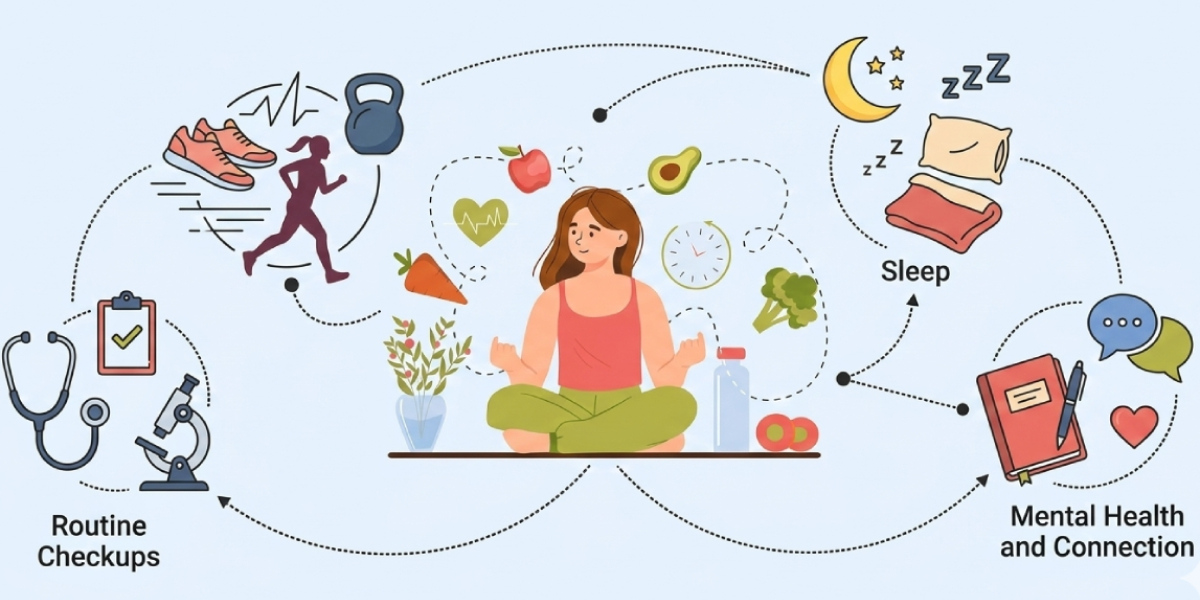
Holistic preventive healthcare is about taking care of your whole self so you can avoid illness before it starts. Instead of just treating problems, it focuses on building strong habits that protect your body and mind. It looks at everything that affects your well-being. Your food. Your sleep. Your stress levels. Your emotions. Even your daily routines.
Let’s break it down in a simple way. Preventive healthcare means preventing disease. Holistic means caring for the whole person, not just one part. So when you put it together, holistic preventive healthcare means protecting your total health through balanced and mindful living.
Think of your body like a house. If you clean it regularly, fix small cracks and take care of it, you won’t need major repairs later. But if you ignore small problems, they can turn into bigger ones. Your health works the same way.
One of the most important parts of prevention is nutrition. The food you eat every day becomes the fuel for your body. If you fill your tank with healthy fuel, your body runs smoothly. Fresh fruits, vegetables, whole grains, nuts, seeds and enough water help your body fight off illness. Too much sugar, processed food and oily snacks can slowly weaken your system. You do not need to be perfect. You just need to be consistent. Small healthy choices every day matter more than extreme diets.
Sleep is another powerful tool that people often ignore. When you sleep, your body repairs itself. Your brain organizes information. Your immune system gets stronger. If you stay up too late or sleep very little, your body feels tired and stressed. Over time, poor sleep can affect your mood, focus and overall health. Aim for a regular sleep schedule. Go to bed and wake up at the same time when possible. Your body loves routine.
Physical activity is also part of preventive care. You do not need a fancy gym membership. Walking, stretching, yoga, dancing or playing a sport all count. Moving your body improves blood circulation, strengthens muscles and keeps your heart healthy. It also boosts your mood. When you move, your body releases chemicals that make you feel happier and calmer.
Mental health is just as important as physical health. A healthy mind supports a healthy body. Stress, worry and negative emotions can slowly affect your physical well-being. That is why mindful living plays a big role in holistic health. Mindful living means paying attention to the present moment. It means slowing down and noticing how you feel. Simple practices like deep breathing, journaling, spending time in nature or talking openly with someone you trust can make a big difference.
In Nepal, conversations around mental health are becoming more open. Articles like Mental Health Myths in Nepal – Breaking Taboos with Science in the Health section of EmaJJa highlight how important awareness and understanding are. When we remove stigma and encourage honest conversations, prevention becomes easier. People feel safe to ask for help before problems grow.
Regular health checkups are another key part of preventive healthcare. Many diseases develop slowly without clear signs at first. Routine screenings can detect issues early. Early detection often means easier treatment and better outcomes. Think of it as checking your car before a long trip. It saves time and trouble later.
A holistic lifestyle also includes healthy relationships. Humans are social beings. We need connection and support. Spending quality time with family and friends reduces stress and increases happiness. When you feel supported, your immune system works better. Isolation and loneliness, on the other hand, can increase the risk of health problems.
Technology is part of modern life, but too much of it can affect our well-being. Long screen time can cause eye strain, poor posture, sleep problems, and even anxiety. Finding balance is important. The article The Hidden Impact of Digital Overload on Physical Health: How to Reclaim Balance from the Health category explores this topic in more detail. It reminds us that simple changes like taking breaks, limiting screen time before bed, and going outdoors can protect our long-term health.
Sugar is another area where prevention matters. Many people consume more sugar than they realize. Sugary drinks, packaged snacks, and desserts may taste good, but too much sugar increases the risk of obesity, diabetes, and heart disease. Learning how much is too much can help you make smarter choices. The post Sugar in Our Daily Diet: How Much Is Too Much in the same Health category offers helpful insights on this topic.
Work-life balance also affects your health more than you might think. If you constantly work without rest, your stress levels rise. Chronic stress can weaken your immune system and increase the risk of illness. Taking breaks, setting boundaries, and making time for hobbies protect both your mental and physical health. Prevention includes protecting your energy.
Now let’s look at a few simple preventive habits you can start today:
-
Drink enough water and eat balanced meals with fruits and vegetables
-
Move your body for at least 30 minutes most days
-
Sleep 7 to 9 hours regularly
-
Practice stress management through breathing or quiet time
-
Schedule routine health checkups
These steps may look small, but they are powerful when done consistently.
Holistic preventive healthcare also respects traditional wisdom while using modern science. In Nepal, many families still use herbal remedies and natural practices passed down through generations. When used wisely and safely, traditional knowledge can support modern preventive care. The key is balance and informed choices.
It is important to remember that prevention does not mean fear. It does not mean constantly worrying about getting sick. Instead, it means feeling empowered. It means knowing that your daily actions shape your future health. You do not need to control everything. You only need to focus on what you can manage today.
Children, adults, and older people all benefit from preventive care. Teaching young people healthy habits early helps them grow into strong adults. Adults who maintain balanced routines reduce their risk of chronic disease. Older adults who stay active and socially connected maintain better quality of life.
Holistic preventive healthcare also saves money in the long run. Treating serious illness can be expensive and emotionally draining. Prevention reduces that burden. More importantly, it improves quality of life. Being healthy means having the energy to enjoy moments, pursue goals, and spend time with loved ones.
Your health journey does not have to be complicated. Start small. Replace one unhealthy snack with a fruit. Go for a short evening walk. Turn off your phone 30 minutes before bed. Practice gratitude. These tiny changes add up.
The Health category on EmaJJa regularly shares helpful content that supports preventive living. From understanding gut health and immunity to learning about mental well-being and balanced routines, the focus remains clear. Stay informed. Stay mindful. Stay proactive.
Holistic preventive healthcare is not about perfection. It is about awareness. It is about understanding that your body and mind are connected. When you care for one, you care for the other.
Imagine feeling strong, focused, and calm most days. Imagine fewer doctor visits because you built protective habits early. That is the power of prevention.
Your future health starts today. Not with a big dramatic change. But with one simple, thoughtful choice at a time.















Mastering Work-Life Balance: Protect Your Health and Recharge Your Mind

Mental Health Myths in Nepal – Breaking Taboos with Science

Sugar in Our Daily Diet: How Much Is Too Much
-1758278198.jpg)
The Role of Gut Health in Boosting Immunity

-1754043297.webp)