How to Build a Balanced Diet in a Busy Lifestyle

 Modern life moves fast. Work deadlines, commuting, social commitments and screen time often leave very little room to think about what we eat. In the middle of all this, food becomes an afterthought. We grab what is quick, convenient and filling, but not always what truly nourishes us.
The problem is not a lack of awareness. Most people already know what a healthy diet looks like. The real challenge is consistency. When your schedule is packed, maintaining a balanced diet can feel unrealistic.
But it doesn’t have to be. With a few practical shifts, you can eat well without disrupting your routine. It’s less about perfection and more about making smarter choices, even on your busiest days.
What Does a Balanced Diet Actually Mean?
A balanced diet is not about strict rules or cutting out entire food groups. It is about giving your body what it needs to function well.
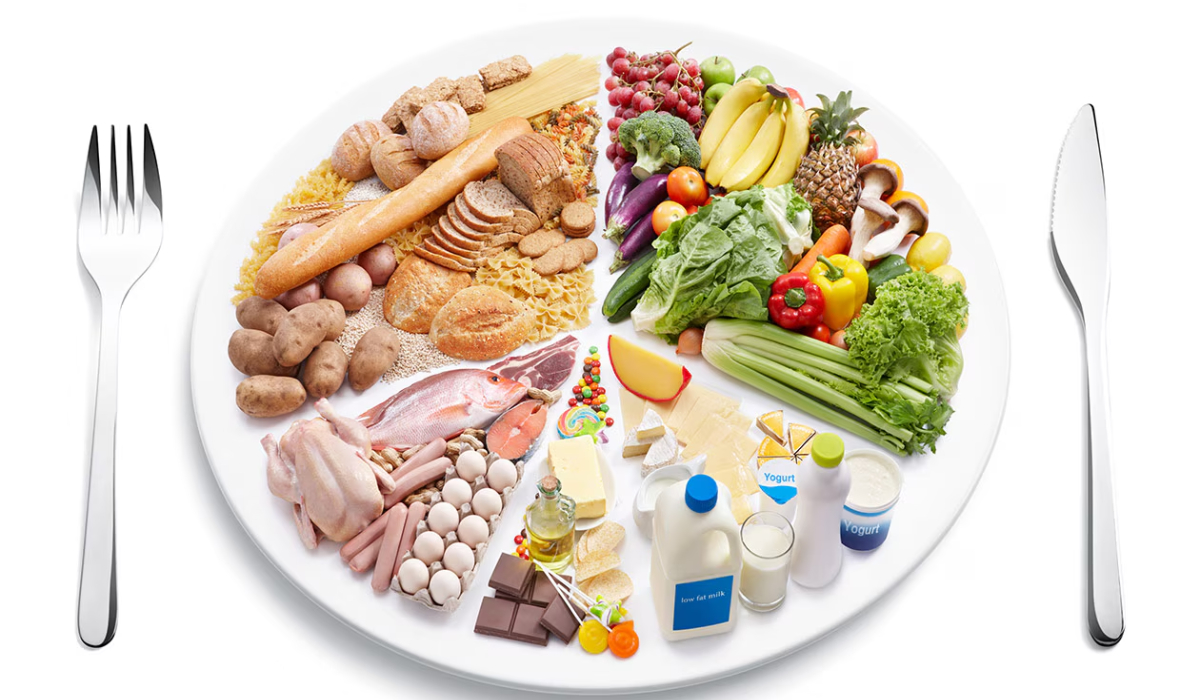
At its core, a balanced meal includes:
- Carbohydrates for energy
- Protein for muscle repair and strength
- Healthy fats for brain and hormone health
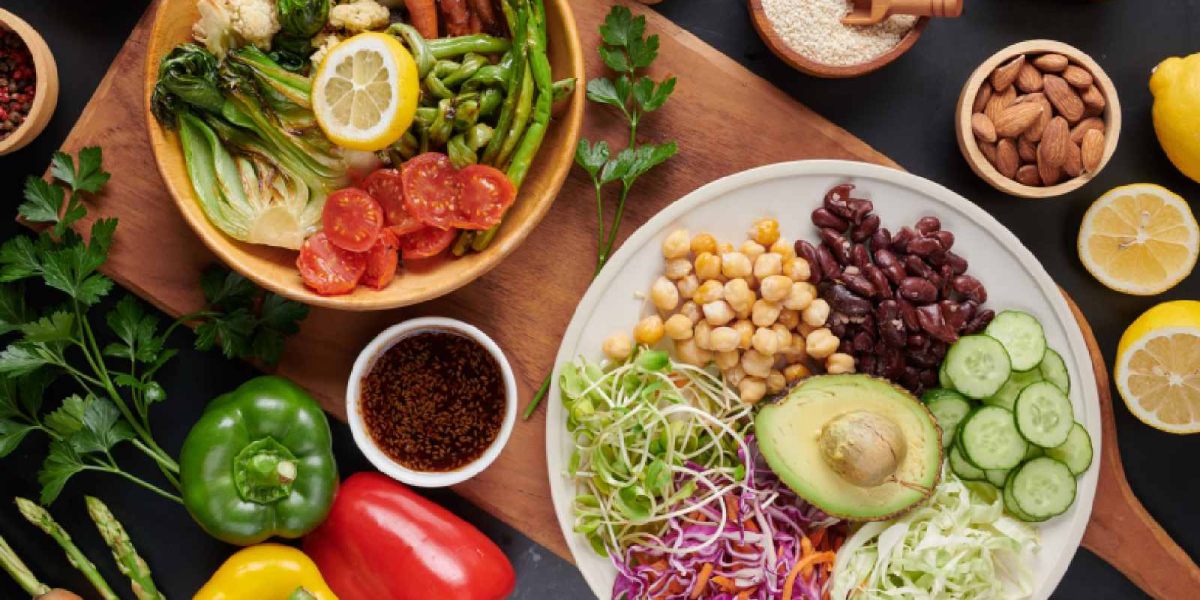
- Vitamins and minerals from fruits and vegetables
You don’t need complicated meal plans. A simple way to think about it is this: your plate should have a mix of whole foods in the right proportions.
For example, a basic balanced meal could include rice or whole grains, vegetables, a source of protein like lentils or eggs and a small portion of healthy fats.
Why Busy Lifestyles Disrupt Healthy Eating
Before fixing the problem, it helps to understand it.
When you’re busy:
- You skip meals or eat at irregular times
- You rely more on processed or takeaway food
- You choose convenience over nutrition
- You eat quickly without paying attention
Over time, this can lead to low energy, poor digestion and even long-term health issues.
The goal is not to completely change your lifestyle overnight. Instead, focus on small adjustments that fit naturally into your routine.
Start with Simple Meal Planning
One of the easiest ways to stay consistent is to plan ahead.
You don’t need a full weekly menu. Even a basic outline helps. Think about your upcoming days and decide what you’ll eat for your main meals.
For example:
- Prepare ingredients in advance
- Cook in slightly larger portions so you have leftovers
- Keep your kitchen stocked with essentials like grains, eggs, vegetables and fruits
When you already know what you’re going to eat, you are less likely to fall back on unhealthy options.
Keep Your Meals Simple
A common mistake is thinking healthy eating has to be complicated.
It doesn’t.
Simple meals are easier to prepare and more sustainable in the long run. A bowl of rice with vegetables and lentils, a whole grain sandwich with eggs, or a quick vegetable stir-fry can all be balanced meals.
The focus should be on:
- Fresh ingredients
- Minimal processing
- Basic cooking methods
You don’t need fancy recipes to eat well every day.
Smart Snacking Matters
When your schedule is tight, snacks play a big role.
Instead of reaching for packaged snacks, keep healthier options within reach:
- Fruits like apples or bananas
- Nuts and seeds
- Yogurt
- Boiled eggs
These options are quick, filling and provide steady energy. They also help prevent overeating during main meals.
Don’t Skip Meals
Skipping meals might seem like a time-saving trick, but it often backfires.
When you skip meals:
- Your energy levels drop
- You feel more tired and less focused
- You are more likely to overeat later
Try to maintain regular meal timings, even if the meals are simple and small.
If mornings are rushed, even something quick like fruit with yogurt or a boiled egg is better than nothing.
Stay Hydrated Throughout the Day
Hydration is often overlooked, but it plays a big role in how your body functions.
When you are busy, it’s easy to forget to drink water. This can lead to fatigue, headaches and reduced concentration.
A simple habit:
- Keep a water bottle with you at all times
- Take small sips regularly instead of waiting until you feel thirsty
Sometimes what feels like hunger is actually dehydration.
Make Better Choices When Eating Out
There will be days when cooking is not possible. That’s completely normal.
The key is to make better choices when you eat out.
Look for meals that include:
- Vegetables
- Grilled or lightly cooked proteins
- Whole grains when possible
Avoid overly fried or heavily processed options as your regular choice.
Today, many restaurants and food services are becoming more health-conscious. Choosing places that focus on fresh ingredients and balanced meals can make a real difference in maintaining your diet even on busy days.
Practice Mindful Eating
Eating is not just about what you eat, but also how you eat.
When you’re constantly multitasking, meals become rushed and distracted. You may not even notice how much you’re eating.
Mindful eating is a simple habit:
- Eat without screens when possible
- Take your time to chew properly
- Pay attention to your hunger and fullness
This helps improve digestion and allows you to build a healthier relationship with food.
Use Weekends or Free Time Wisely
You don’t need hours of preparation every day. Instead, use your free time strategically.
On weekends or less busy days:
- Wash and cut vegetables in advance
- Cook base items like grains or lentils
- Prepare a few ready-to-eat meals
This reduces effort during the week and makes healthy eating more convenient.
Build a Routine That Works for You
There is no one-size-fits-all approach.
Your diet should fit your lifestyle, not the other way around.
Some people prefer three main meals, while others feel better with smaller, more frequent meals. The key is to find what keeps your energy stable and your routine manageable.
Consistency matters more than strict rules.
Focus on Progress, Not Perfection
You don’t have to eat perfectly every day.
There will be busy days, unexpected plans and moments when you choose convenience. That’s okay.
What matters is your overall pattern.
If most of your meals are balanced and mindful, occasional indulgences won’t have a negative impact.
A sustainable diet is one you can maintain long-term.
The Bigger Picture: Food as a Foundation of Wellbeing
Food is not just fuel. It shapes how you feel, how you think and how you function every day.
A balanced diet supports:
- Better energy levels
- Improved concentration
- Stronger immunity
- Overall physical and mental well-being
When you start seeing food as part of your lifestyle rather than a task, your choices naturally become more intentional.
Keeping It Simple and Sustainable
Building a balanced diet in a busy lifestyle is not about making drastic changes. It is about small, consistent actions that fit into your daily routine.
Start simple. Plan a little. Choose better options when you can. Stay mindful of what and how you eat.
Over time, these habits become part of your lifestyle, not something you have to force.
And that’s the goal. A way of eating that supports your life, not complicates it.














Food as an Experience, Not a Habit

Eating for Energy, Not Weight Loss

The Alchemy of Meals: Turning Simple to Sublime

Diet-Conscious & Budget-Friendly Nepali Lunch Ideas