The Power of Emotional Boundaries: A True Act of Self-Respect

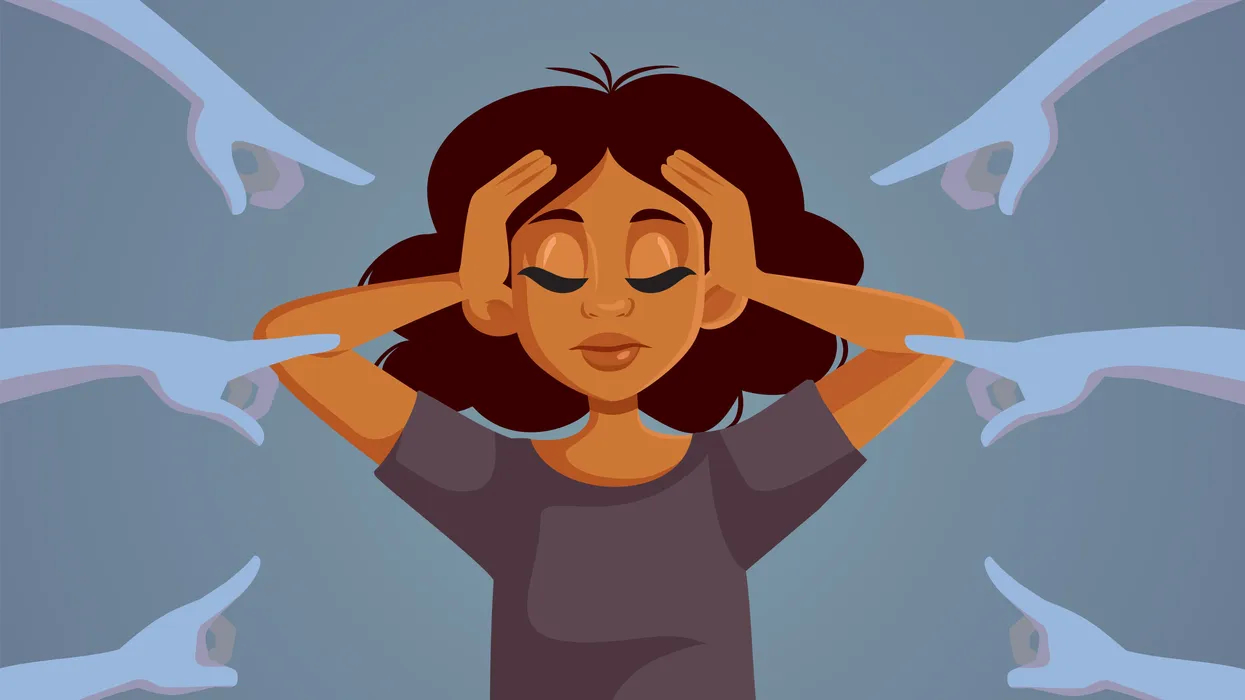
In a world where constant connection is the norm, protecting your emotional space has become more important than ever. Self-love is not only about spa days, affirmations, or positive thinking - it is also about setting healthy emotional boundaries.
When you learn to protect your time, energy and peace, you begin practicing self-respect in its purest form.
What Are Emotional Boundaries?
Emotional boundaries are the invisible lines that define what is acceptable and unacceptable in your relationships. They help you decide:
- How others can treat you
- What behavior you will tolerate
- When to say “no”
- How much emotional energy you give
Without boundaries, people may overstep, drain your energy, or make you feel guilty for prioritizing yourself.
Why Setting Boundaries Is Self-Love
Many people confuse boundaries with selfishness. In reality, boundaries protect your mental health and strengthen relationships.
Here's why emotional boundaries are powerful:
1. They Protect Your Mental Health
When you constantly absorb other people's problems, stress, or negativity, your emotional well-being suffers. Healthy boundaries prevent emotional burnout.
2. They Build Self-Confidence
Every time you stand up for your needs, you reinforce your self-worth. You send yourself a message: “My feelings matter.”
3. They Improve Relationships
Clear communication creates mutual respect. When people understand your limits, interactions become healthier and more balanced.
4. They Reduce Anxiety and Resentment
Saying yes when you mean no creates internal conflict. Boundaries eliminate hidden frustration and emotional exhaustion.
Signs You Need Stronger Boundaries
You may need better emotional boundaries if:
- You feel guilty for saying no
- You over-explain your decisions
- You feel drained after conversations
- You prioritize others at your own expense
- You fear disappointing people
Recognizing these patterns is the first step toward change.
How to Set Emotional Boundaries (Practical Steps)
Setting boundaries does not require confrontation. It requires clarity.
Step 1: Identify Your Limits
Ask yourself: What behaviors make me uncomfortable? What drains my energy?
Step 2: Communicate Clearly
Use simple, respectful language:
- “I’m not available for that.”
- “I need some time for myself.”
- “I’m not comfortable discussing this.”
Step 3: Stay Consistent
Boundaries only work when you maintain them. Consistency builds credibility.
Step 4: Release Guilt
Choosing peace over people-pleasing is growth, not selfishness.
Self-Love Means Choosing Yourself
Self-love is not loud. It is not dramatic. Sometimes it is quiet and firm. It looks like declining an invitation when you are exhausted. It sounds like expressing discomfort instead of staying silent.
Protecting your emotional well-being is one of the strongest forms of self-respect.
When you honor your boundaries, you teach others how to treat you and more importantly, you teach yourself that you are worthy of care.
















Self Love as a Rebellion: Why Loving Yourself is a Bold Choice

Self-Love Through Everyday Choices: Creating a Life That Honors You

Self-Love in Action: How Taking Time for Yourself Builds Inner Strength
Cultivating Self-Love Through Mindful Breathing and Meditation

How to recognize toxic relationships and detach with kindness

Mirror Talk, Nepali Style: 7 Self-Love Affirmations Rooted in Buddhist & Hindu Philosophy

Embracing Yourself: Simple Daily Practices to Boost Self-Love and Confidence